B2B Lead Generation: Strategies That Fill Your Pipeline
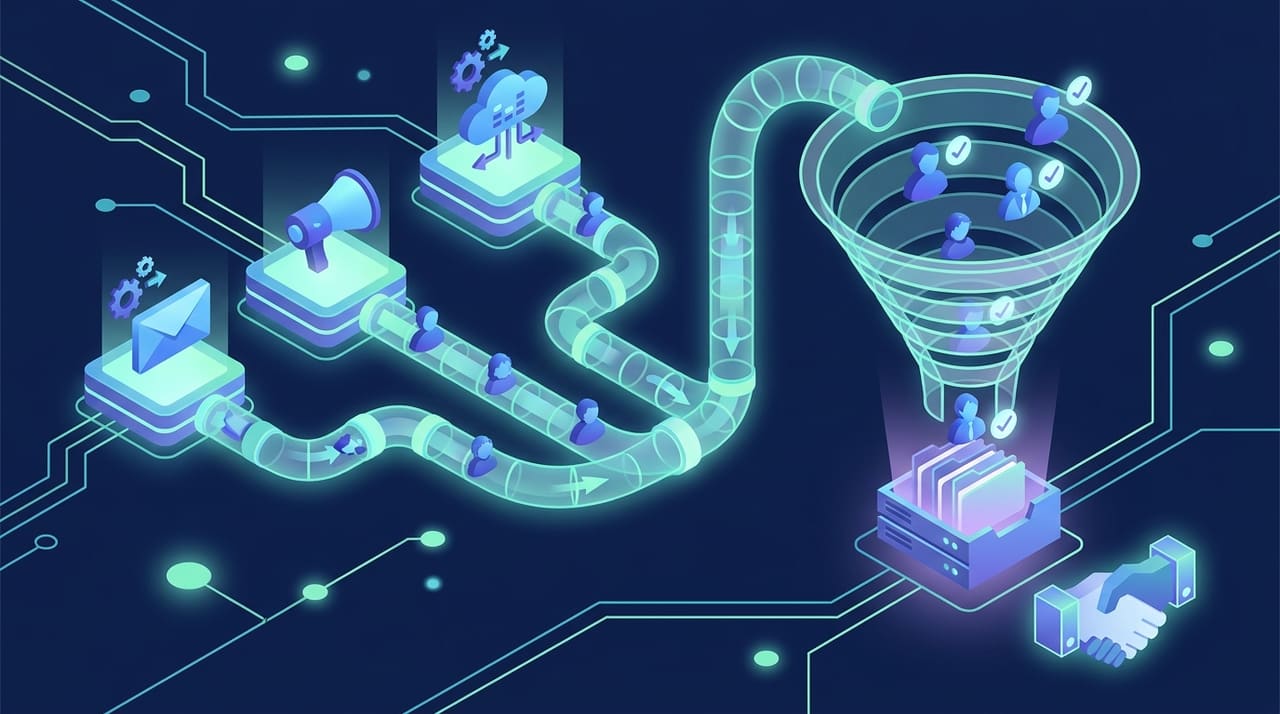
B2B lead generation is the process of identifying the companies that need what you sell, earning their attention, and converting that attention into conversations your sales team can close. On paper it sounds simple. In practice, most B2B businesses live with the same symptom: a pipeline that swings between feast and famine. One month the calendar is full of discovery calls; the next, everyone is chasing cold contacts just to stay busy. The difference between the two states is rarely talent or budget — it is whether lead generation runs as a system or as a series of improvised pushes. This guide walks through the strategies that produce a steady flow of qualified opportunities, and the habits that quietly sabotage it.
Why B2B Lead Generation Plays by Different Rules
Selling to businesses is not selling to consumers with bigger invoices. Three characteristics change how demand is created and captured:
- Longer sales cycles. A B2B purchase can stretch over weeks or months and pass through legal, finance and procurement. Your lead generation must nurture interest over time, not just capture it once.
- Multiple decision-makers. The person who downloads your guide is rarely the person who signs the contract. Content and follow-up have to speak to users, managers and budget owners alike.
- Research-heavy buyers. By the time a prospect agrees to a call, they have usually compared vendors and formed a shortlist. If you are invisible during that silent research phase, you are absent from the deal.
Effective B2B lead generation therefore works on two fronts at once: being found by buyers who are already searching, and creating awareness among buyers who do not yet know a better solution exists.
Get the Vocabulary Right: Leads, MQLs and SQLs
Before debating channels, align marketing and sales on definitions. Teams that skip this step end up arguing about lead quality instead of improving it.
- Lead: any identified contact — a name plus an email, phone number or LinkedIn profile — who has shown interest in your field.
- Marketing qualified lead (MQL): a lead whose profile and behaviour suggest a real fit: the right industry, the right role, meaningful engagement with your content.
- Sales qualified lead (SQL): a lead that sales has vetted and accepted: there is a need, a decision process and a plausible timeline.
- Opportunity: an active conversation about a specific scope of work.
Every strategy below exists to move contacts up this ladder — and to stop unqualified contacts from consuming your sales team's week.
Inbound vs Outbound: Two Engines, One Pipeline
Most debates about pipeline collapse into inbound versus outbound. The honest answer is that mature teams run both, each doing what it does best.
| Criterion | Inbound (SEO, content, ads) | Outbound (email, LinkedIn, calls) |
|---|---|---|
| Time to first results | Slower — compounds over months | Fast — days to weeks |
| Buyer intent | High: prospects come to you with a problem | Lower: you interrupt someone's day |
| Scalability | Strong once assets rank and convert | Limited by list size and team capacity |
| Targeting control | Indirect — you attract whoever searches | Precise — you choose named accounts |
| Long-term effect | Assets keep producing after publication | Stops the day the outreach stops |
A practical sequence for smaller teams: start outbound to create conversations quickly and learn how the market describes its problems, and invest in inbound in parallel so that six months later you are no longer starting every quarter from zero. A structured lead generation program runs both engines around a single pipeline instead of treating them as separate hobbies.
Strategy 1 — Turn Your Website Into Your Best Salesperson
Every channel you invest in eventually sends people to your website, which makes it the multiplier for everything else. A visitor should understand within seconds what you do, who it is for and what to do next.
- Write service pages around the problems you solve, not around your internal jargon.
- Give every campaign a dedicated landing page with one message and one call to action.
- Keep forms short: each extra field filters out real buyers along with the curious.
- Offer several conversion paths — a form, an email address and a visible phone or WhatsApp option — because different buyers prefer different first steps.
We covered this layer in depth in our guide to turning your website into a lead generation machine; if traffic arrives but inquiries do not, fix this before spending more on ads.
Strategy 2 — Content That Answers Real Buying Questions
Content marketing fails when it chases volume. It works when every piece answers a question a buyer actually asks on the way to a decision. Start from the bottom of the funnel and work upwards:
- Decision content: comparison pages, guides on how to choose a provider, detailed service descriptions and honest FAQ pages.
- Consideration content: use cases, process walkthroughs and methodology articles that show how you think.
- Awareness content: educational articles that attract your audience before they know a solution exists.
Bottom-funnel pages bring fewer visitors but far more inquiries, which is exactly the trade you want when resources are limited.
Strategy 3 — Outbound That Respects the Reader
LinkedIn and social selling
Treat your LinkedIn profile as a landing page: a clear headline about the problems you solve, not just a job title. Engage with target accounts before you pitch — a thoughtful comment earns more replies than a cold template — and make every connection request reference something specific and true.
Cold email that gets answered
Cold email still works when it is precise, short and honest. Define a narrow ideal customer profile, build a clean and lawful list, then write three sentences: why you are contacting this company specifically, what outcome you help with, and one easy question. Follow up politely a few times, then stop. Always include a working opt-out — respect is also a deliverability strategy.
Strategy 4 — Paid Campaigns to Accelerate the Flywheel
Paid acquisition buys speed while your organic assets mature. Search ads capture existing demand from buyers typing high-intent queries; LinkedIn and Meta campaigns build awareness with audiences you choose; retargeting stays visible to visitors who were not ready on their first visit. The common failure is not the platform but the destination: campaigns pointed at a generic homepage rarely pay for themselves. Paid channels perform best inside a broader digital marketing strategy where landing pages, tracking and follow-up are designed together.
Lead Scoring, Qualification and the KPIs That Matter
Score on fit and behaviour
Not every lead deserves a call. Score contacts on two axes: fit (industry, company size, role) and behaviour (pages visited, content downloaded, replies sent). High fit with high engagement goes to sales today; high fit with low engagement enters nurturing; low fit is politely archived.
Qualify with simple questions
Before an opportunity enters the pipeline, sales should be able to answer four things: what problem triggered the search, who decides, what the timeline is, and whether a realistic budget exists for this type of project. Missing answers are a signal to keep nurturing, not to force a proposal.
Measure the funnel, not the noise
- Leads by source, so you know which channels actually produce.
- MQL-to-SQL conversion rate, the clearest indicator of lead quality.
- Speed to first response — slow follow-up quietly kills good pipelines.
- Opportunities and closed deals by channel, not just clicks and impressions.
Common Mistakes That Empty a Pipeline
- Buying contact lists and blasting them — it damages your domain reputation and your brand at the same time.
- Treating every form fill as sales-ready and burning the team's trust in marketing leads.
- Switching channels every few weeks before any of them has had a fair test.
- Measuring activity — posts published, emails sent — instead of qualified conversations created.
- Leaving inbound inquiries unanswered for days while a competitor replies within the hour.
Frequently Asked Questions
How long does B2B lead generation take to produce results?
Outbound and paid campaigns can generate conversations within days or weeks. SEO and content typically need several months before they compound. Plan a mixed portfolio so short-term channels fund your patience for the long-term ones.
Should a small business start with inbound or outbound?
Usually outbound first, because it creates conversations immediately and teaches you the exact words your market uses. Reinvest those learnings into inbound assets so the pipeline gradually stops depending on manual prospecting.
What is the difference between lead generation and demand generation?
Demand generation builds awareness and desire in an audience that is not searching yet; lead generation converts existing attention into identified contacts. They are complementary stages of one pipeline, not competing philosophies.
Do cold emails still work?
Yes — when they are targeted, short and relevant, and when the sender protects deliverability and respects opt-outs. Generic mass blasts, on the other hand, are increasingly filtered before a human ever sees them.
How many leads do we actually need?
Work backwards from revenue: the number of deals you want, divided by your close rate, divided by your lead-to-opportunity rate. The result is usually smaller than expected — which frees you to prioritise quality over volume.
Conclusion: Build a System, Not a Scramble
B2B lead generation rewards consistency more than cleverness: a clear promise, a website that converts, content that answers buying questions, respectful outreach and disciplined follow-up. Build those pieces once, measure them honestly, and the pipeline stops being a monthly surprise. If you would rather not build it alone, the team at DIREKTDOTCOM designs and runs this system end to end — start with our lead generation service and see how a structured pipeline changes quarterly planning.